


The Complete Guide to Online Cab Services: Transforming Modern Urban Transportation
- Feb 9
- 6 min read
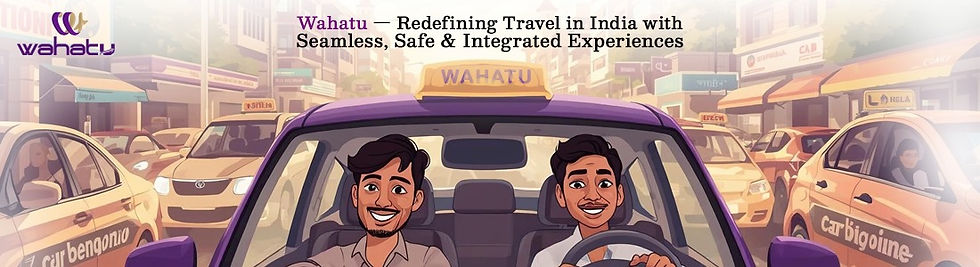
Online cab services have revolutionized the way people commute in cities and towns across the world. What once required standing on roadsides, negotiating fares, or waiting endlessly for public transport has now become a seamless digital experience. With just a smartphone and internet connection, users can book a ride within minutes, track their driver in real time, and reach their destination safely and comfortably.
The rise of online cab services reflects the broader digital transformation of society. As technology integrates deeper into daily life, transportation has evolved to become smarter, faster, and more customer-centric. From daily office commutes to airport transfers and outstation journeys, online cab services now play an essential role in modern mobility.
This article explores the concept, features, benefits, working mechanisms, challenges, and future prospects of online cab services in detail.
What Are Online Cab Services?
Online cab services are app-based or web-based transportation platforms that allow users to book vehicles for travel on demand. These services connect passengers with drivers through digital interfaces, eliminating the need for physical booking systems or manual coordination.
Users can select ride types, view estimated fares, track vehicle arrival, and make cashless payments — all within a few taps. The system relies on GPS technology, digital mapping, automated fare calculation, and cloud-based communication.
Evolution of Cab Services
1. Traditional Taxi System
Before digitalization, taxis operated through street hailing or phone bookings. Pricing transparency was limited, and availability was uncertain.
2. Radio Cab Era
Call centers and radio dispatch systems improved coordination but still lacked real-time tracking and dynamic pricing.
3. Online Cab Revolution
The introduction of smartphone applications transformed the industry by enabling:
Instant booking
GPS tracking
Digital payments
Driver ratings
Route optimization
This shift made cab services more accessible, reliable, and scalable.
Key Features of Online Cab Services
1. Easy Booking Process
Users can book rides within seconds by entering pickup and drop locations.
2. Real-Time GPS Tracking
Passengers can track the cab’s location, estimated arrival time, and route throughout the journey.
3. Multiple Vehicle Options
Online platforms offer diverse vehicle categories such as:
Economy cars
Sedans
SUVs
Luxury vehicles
Shared rides
4. Transparent Pricing
Fare estimates are displayed before booking, reducing disputes and uncertainty.
5. Cashless Payments
Payment options include:
Credit/debit cards
Digital wallets
Net banking
UPI payments
Cash (in some cases)
6. Ride Scheduling
Passengers can pre-book rides for airport transfers, meetings, or events.
7. Driver & Vehicle Details
Users receive driver name, photo, vehicle number, and contact information for safety and convenience.
8. Ratings and Reviews
Both drivers and passengers can rate each other, ensuring service accountability.
Benefits of Online Cab Services
1. Convenience
Booking a cab anytime from anywhere removes dependence on public transport schedules.
2. Time Efficiency
Quick pickups and optimized routes save valuable travel time.
3. Safety and Security
Safety features include:
GPS monitoring
SOS emergency buttons
Ride sharing with contacts
Driver verification systems
4. Cost Effectiveness
Competitive pricing and shared ride options make travel affordable.
5. 24/7 Availability
Online cab services operate round the clock, supporting late-night and early-morning travel.
6. Reduced Parking Hassles
Users avoid parking fees, congestion, and vehicle maintenance costs.
Types of Online Cab Services
1. Local City Rides
Ideal for office commutes, shopping trips, and daily errands.
2. Airport Transfers
Pre-scheduled pickups and drop-offs ensure timely travel.
3. Outstation Travel
Long-distance intercity rides with flexible itineraries.
4. Rental Services
Hourly packages for business meetings, weddings, or sightseeing.
5. Shared Mobility
Multiple passengers share one ride, reducing cost and emissions.
6. Corporate Transportation
Dedicated fleets for employee travel and business logistics.
Technology Behind Online Cab Platforms
Online cab services rely on advanced technologies to ensure efficiency:
1. GPS & Navigation Systems
Enable accurate location tracking and route optimization.
2. Artificial Intelligence
Used for demand prediction, surge pricing, and driver allocation.
3. Cloud Computing
Handles large volumes of booking data and real-time communication.
4. Mobile Applications
User-friendly interfaces for booking, payments, and ride management.
5. Digital Payment Gateways
Ensure secure and fast financial transactions.
Role in Urban Mobility
Online cab services have become an integral part of urban transportation ecosystems.
1. First-Mile & Last-Mile Connectivity
They bridge gaps between homes and public transport hubs.
2. Traffic Decongestion
Shared rides reduce the number of private vehicles on roads.
3. Employment Generation
They create livelihood opportunities for drivers and fleet operators.
4. Tourism Support
Visitors rely on app-based cabs for local travel and sightseeing.
Environmental Impact
Online cab services influence environmental sustainability in multiple ways.
Positive Contributions
Shared rides reduce carbon emissions
Route optimization lowers fuel consumption
Integration of electric vehicles
Challenges
Increased vehicle numbers in some cities
Idle driving during low demand
Sustainable fleet adoption is becoming a key focus area.
Safety Measures in Online Cab Services
Passenger safety is a top priority. Key safety mechanisms include:
Driver background verification
Vehicle documentation checks
Live ride tracking
Emergency assistance buttons
Trip history records
AI-based anomaly detection
Many platforms also offer women-focused safety features and helplines.
Pricing Models
Fare structures vary based on multiple factors:
1. Base Fare
Initial charge for booking the ride.
2. Distance Fare
Calculated per kilometer or mile.
3. Time Fare
Based on ride duration or waiting time.
4. Surge Pricing
Higher fares during peak demand periods.
5. Toll & Parking Charges
Added where applicable.
Transparent billing helps users understand total costs upfront.
Advantages Over Traditional Transport
Feature | Traditional Taxi | Online Cab Service |
Booking | Street/Phone | App/Web |
Fare Transparency | Limited | High |
Tracking | Not Available | Real-Time |
Payment | Mostly Cash | Multiple Options |
Driver Details | Rare | Provided |
Ratings | No | Yes |
This comparison highlights why digital cab services have gained rapid popularity.
Challenges Faced by Online Cab Services
Despite growth, the industry faces several challenges:
1. Regulatory Compliance
Different cities impose licensing and fare regulations.
2. Driver Retention
Maintaining driver satisfaction and earnings balance.
3. Surge Pricing Criticism
Customers often object to peak-hour fare hikes.
4. Traffic Congestion
High demand can increase urban congestion.
5. Safety Concerns
Ensuring consistent driver conduct and passenger security.
Continuous technological and policy improvements are addressing these issues.
Impact on Consumers
Online cab services have reshaped consumer expectations:
Preference for on-demand mobility
Demand for digital payments
Expectation of real-time tracking
Service rating culture
Comfort and hygiene standards
Customers now prioritize reliability and transparency over traditional transport familiarity.
Role in Business and Corporate Travel
Organizations increasingly rely on online cab services for:
Employee commute programs
Airport transfers
Client transportation
Event logistics
Expense tracking and billing
Corporate dashboards and centralized billing systems simplify travel management.
Integration With Smart Cities
Online cab platforms contribute to smart mobility frameworks by integrating with:
Metro and rail systems
Airport databases
Traffic monitoring networks
EV charging infrastructure
Data analytics from ride patterns also helps city planners improve road systems.
Future Trends in Online Cab Services
1. Electric & Hybrid Fleets
Eco-friendly vehicles will dominate future fleets.
2. Autonomous Vehicles
Self-driving cabs are under development in many regions.
3. AI-Driven Dispatch
Smarter ride allocation will reduce wait times.
4. Voice-Enabled Booking
Hands-free ride booking via smart assistants.
5. Subscription Ride Models
Monthly travel passes for frequent commuters.
6. Multimodal Integration
Single apps combining cabs, buses, bikes, and metros.
Tips for Choosing a Reliable Online Cab Service
When selecting a service platform, users should evaluate:
Driver ratings and reviews
Fare transparency
Safety features
Customer support availability
Vehicle condition
Cancellation policies
Payment flexibility
Reading user feedback helps ensure a better travel experience.
How Online Cab Services Support Tourism
Tourists benefit significantly from online cab platforms:
Language barrier reduction via apps
Digital navigation in unfamiliar cities
Fixed pricing avoids overcharging
Easy airport and hotel transfers
Custom sightseeing rentals
They make travel more comfortable for domestic and international visitors.
Economic Contribution
The online cab industry contributes to the economy through:
Job creation
Fuel consumption markets
Vehicle financing sectors
Technology development
Tax revenues
Tourism growth
It has become a major pillar of the gig economy.
Rural and Semi-Urban Expansion
Online cab services are expanding beyond metros into smaller cities and towns by offering:
Affordable ride options
Shared transport models
Bike taxis in narrow routes
Local driver partnerships
This expansion improves regional connectivity and employment.
Conclusion
Online cab services have fundamentally transformed modern transportation by merging mobility with digital convenience. They offer speed, safety, transparency, and accessibility — qualities that traditional transport systems often struggled to provide.
From daily commuting and corporate travel to tourism and emergency rides, online cab platforms serve diverse mobility needs. As technology continues to evolve, the industry is set to witness innovations such as electric fleets, autonomous driving, and AI-powered logistics.
In an increasingly fast-paced world, online cab services in Patna, Ranchi, Gaya, Bangalore and other cities stand as a symbol of smart mobility — simplifying travel while shaping the future of urban transportation.

Comments